

Planning a conservatory involves far more than choosing a style and size. Comfort, light, and year-round usability depend on dozens of small design decisions made early. When those choices align, a conservatory becomes a genuine living space. When they do not, it risks becoming a room you avoid for half the year.
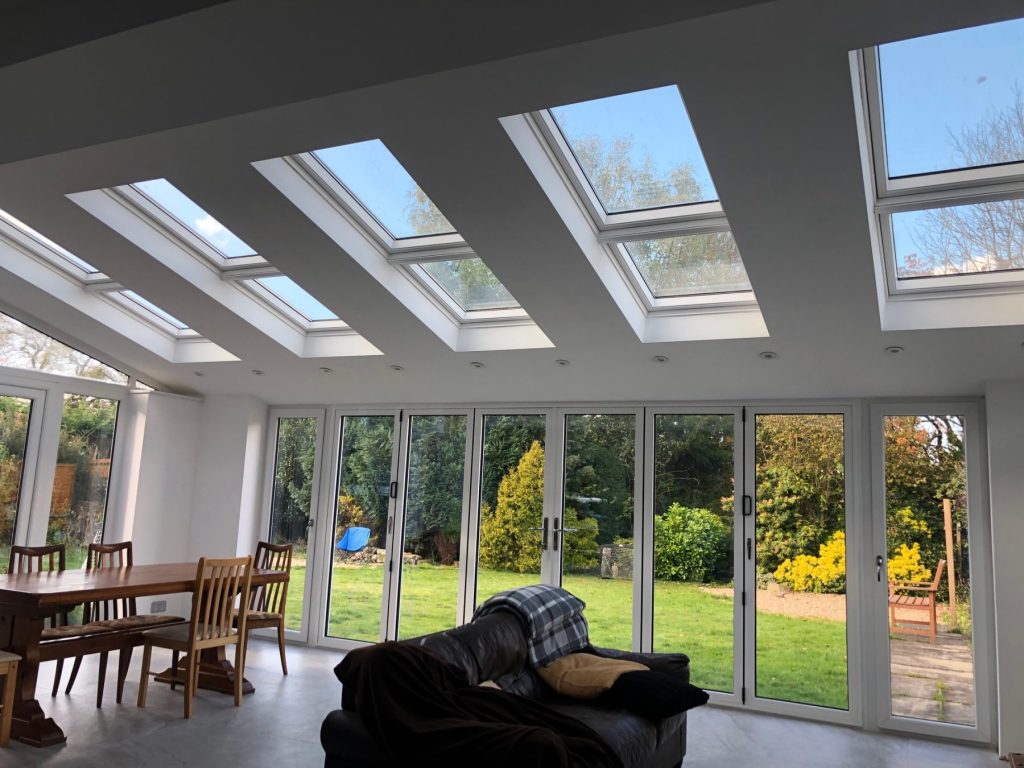
Why planning matters more than aesthetics
Many conservatories look attractive on paper. Glossy images focus on shape, glazing, and garden views. However, daily comfort depends on practical details hidden beneath the surface.
Temperature control, glare, noise, and airflow all stem from planning decisions. Because of this, successful conservatories prioritise function before appearance. Visual appeal still matters, but comfort sustains long-term use.
Thinking beyond the initial build prevents frustration later. A well-planned conservatory supports how you actually live rather than how you imagine using the space.
Understanding how you will use the space
Every design decision should start with purpose. A dining room, office, lounge, or playroom all demand different conditions.
Dining spaces benefit from balanced light without glare. Offices require temperature stability and reduced reflections. Lounges need acoustic comfort and warmth. Playrooms need durability and visibility.
Clarifying primary use guides every later choice. Without that clarity, compromises multiply and satisfaction drops.
Orientation and its impact on comfort
Orientation shapes light levels and temperature throughout the day. South-facing conservatories receive the most sunlight. While this boosts brightness, it also increases overheating risk.
North-facing designs deliver softer, consistent light. For offices or studios, this often works well. East-facing spaces enjoy morning sun, making them ideal for breakfast rooms. West-facing conservatories capture evening light but may require shading to manage glare.
Assessing sun paths before finalising designs helps avoid uncomfortable extremes.
Roof choices and year-round usability
Roof design influences comfort more than any other element. Glass roofs maximise daylight and sky views. However, they also allow greater heat transfer.
Solid roofs regulate temperature far more effectively. Insulated systems reduce summer heat gain and winter heat loss. Hybrid roofs combine solid sections with glazed panels, balancing light and insulation.
Choosing a roof based on usage rather than appearance ensures long-term usability.
Glazing specifications that make a difference
Not all glass performs equally. Modern glazing includes solar control coatings, low-emissivity layers, and argon-filled cavities.
Solar control glass reduces glare and overheating. Low-emissivity coatings reflect heat back into the room during winter. Double or triple glazing improves insulation and acoustic comfort.
Matching glazing specifications to orientation and roof design prevents discomfort and energy inefficiency.
Ventilation strategies for temperature regulation
Ventilation plays a crucial role in comfort. Without it, heat builds quickly during warmer months.
Roof vents allow hot air to escape naturally. Opening windows create cross-ventilation. Trickle vents support constant airflow without draughts.
Mechanical ventilation rarely suits conservatories. Passive systems usually provide sufficient control when designed correctly.
Heating options that support everyday use
Heating transforms conservatories into year-round spaces. Underfloor heating distributes warmth evenly and preserves wall space. Radiators work well when positioned carefully.
Electric options suit occasional use but increase running costs. Integrating heating with the main system improves efficiency and consistency.
Heating design should complement insulation rather than compensate for its absence.
Flooring choices and thermal comfort
Flooring affects both comfort and durability. Tiles pair well with underfloor heating and resist temperature changes. Engineered wood offers warmth and stability in variable conditions.
Carpet provides comfort but requires moisture control. Vinyl options deliver practicality with improved thermal performance.
Choosing flooring early allows heating systems and finishes to integrate seamlessly.
Managing glare without sacrificing light
Glare undermines usability, particularly for work or relaxation. Blinds, roof shades, and solar glass manage brightness effectively.
Integrated shading systems feel less intrusive than retrofitted solutions. They also support temperature regulation by reducing solar gain.
Balancing light and comfort ensures the space remains usable throughout the day.
Acoustic comfort and noise reduction
Noise often goes unnoticed during planning. Rain, wind, and external sounds travel easily through poorly insulated structures.
Solid roofs reduce rain noise significantly. Double or triple glazing improves acoustic performance. Soft furnishings absorb sound internally.
Considering acoustics early prevents distractions later, especially for workspaces.
Lighting design for evening use
Natural light fades quickly during winter months. Without proper lighting, conservatories feel disconnected after dark.
Recessed ceiling lights provide even illumination. Wall lights create atmosphere. Task lighting supports specific activities.
Planning lighting alongside roof and ceiling design avoids compromises later.
Doors, flow, and connection to the home
How the conservatory connects to the house affects usability. Retaining external doors maintains thermal separation. Removing them creates open-plan flow.
Open-plan designs require building regulation compliance. They also demand higher insulation standards.
Considering flow early ensures comfort and compliance remain aligned.
Planning permission and regulatory considerations
Many conservatories fall under permitted development. Size, height, and location still matter.
Building regulations apply differently depending on separation and heating. Removing external doors usually triggers compliance requirements.
Reviewing official guidance early avoids costly revisions. The UK Planning Portal offers clear, authoritative information for homeowners.
Budget planning and value
Budget decisions influence comfort directly. Cutting insulation or glazing costs saves money initially but increases long-term expense.
Investing in performance features delivers better usability and energy efficiency. Value comes from daily enjoyment rather than upfront savings.
Planning budgets realistically supports better outcomes.
Retrofitting versus building new
Some homeowners upgrade existing conservatories rather than rebuild. Replacing roofs, glazing, or heating systems improves comfort significantly.
Structural assessments remain essential. Frames and foundations must support new systems.
Retrofitting offers a cost-effective route to year-round use when conditions allow.
Visual integration with the existing property
A conservatory should complement the house rather than compete with it. Rooflines, materials, and proportions influence harmony.
Traditional homes often suit solid or hybrid roofs. Contemporary properties integrate well with glass-heavy designs.
Visual balance supports both enjoyment and property appeal.
Using conservatories as flexible living spaces
Flexibility defines modern conservatory value. Spaces adapt as needs change.
Dining rooms become offices. Playrooms become lounges. Flexibility depends on comfort and layout rather than structure alone.
Planning for adaptability future-proofs the investment.
Exploring suitable conservatory options
Reviewing available conservatories helps visualise how different design choices work together. Seeing full systems rather than isolated features clarifies trade-offs and possibilities.
External guidance worth reviewing
For reliable planning and regulatory information, the UK Planning Portal remains the most trusted source. Consulting official guidance supports confident, compliant decisions.
Final thoughts on planning for success
Planning a conservatory shapes comfort, light, and year-round use more than any single feature. Thoughtful decisions create spaces used daily rather than occasionally.
Considering orientation, roof design, glazing, heating, and flow ensures balance. When these elements align, conservatories become genuine living spaces rather than seasonal extras.
Careful planning turns potential into performance. For UK homes, that difference matters every day.