

Conservatories for UK homes remain one of the most popular ways to add light-filled space without a full extension. Homeowners across the UK choose conservatories because they bridge the gap between indoors and outdoors. They also adapt well to changing family needs. Before committing to a design, though, it helps to understand the options, the practical uses, and the key factors that influence long-term satisfaction.
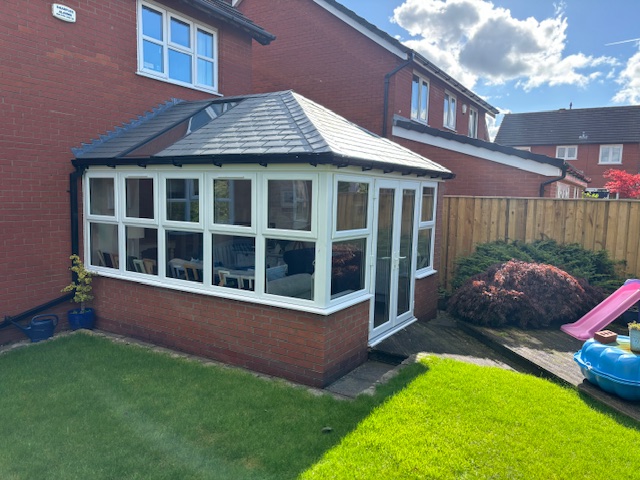
Why conservatories still make sense for UK homes
British homes face unique challenges. Weather changes quickly. Natural light matters. Space often feels limited. Because of this, conservatories for UK homes offer a flexible solution that suits both period properties and modern builds. They create an extra room without fully separating you from the garden. As a result, they often feel more uplifting than traditional extensions.
Importantly, conservatories now perform far better than older designs. Advances in glazing, roofing systems, and thermal technology have changed expectations. Instead of seasonal rooms, many homeowners now enjoy their conservatories all year round. That shift alone has driven renewed interest across England, Scotland, and Wales.
Understanding the main types of conservatories
Different conservatory styles suit different homes. The right choice depends on roof shape, available space, and how you plan to use the room. While aesthetics matter, practicality should always guide decisions.
Victorian conservatories remain popular with period properties. Their multi-faceted fronts maximise light while maintaining a classic look. Edwardian designs, by contrast, offer a more rectangular footprint. This layout often feels easier to furnish and suits family homes well.
Lean-to conservatories work especially well on modern houses. Their simple roofline fits neatly under existing eaves. Because of that, they often suit smaller gardens or tighter spaces. Gable-fronted designs add height and drama. For homeowners wanting a sense of openness, this style can feel particularly impressive.
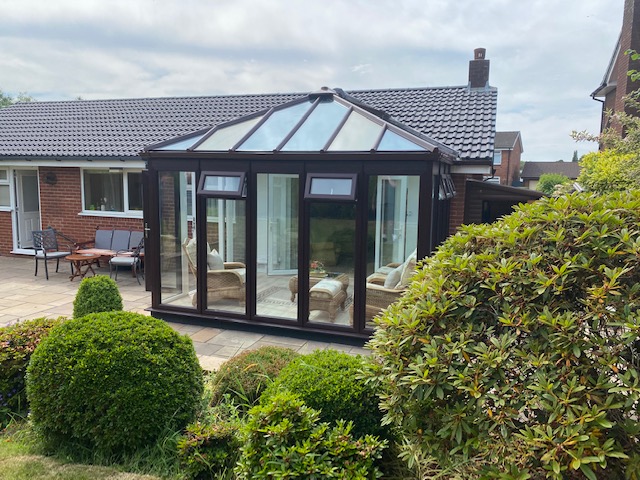
Orangeries sit somewhere between a conservatory and an extension. Solid elements combined with large glazed sections create a more substantial feel. Consequently, they often suit homeowners seeking a room that blends seamlessly with the rest of the house.
How people actually use conservatories today
Gone are the days when conservatories served only as plant rooms. Modern homeowners expect much more. With better insulation and heating options, conservatories for UK homes now support everyday living.
Many families use them as dining areas. Natural light enhances mealtimes, especially during darker months. Others create informal lounges or reading spaces. The connection to the garden often makes these rooms ideal for relaxing after work.
Home working has also influenced conservatory design. A bright, quiet space away from the main house can improve focus. Provided temperature control is considered, conservatories can function well as home offices. Some households even use them as playrooms, creating a safe, visible space for children.
Thermal performance and year-round comfort
Temperature control remains one of the most important considerations. Older conservatories often suffered from overheating in summer and heat loss in winter. Modern designs address these issues far more effectively.
High-performance glazing reduces heat transfer while allowing light through. Roof options now include solid or hybrid systems that improve insulation significantly. Ventilation also plays a vital role. Roof vents, opening windows, and trickle vents help regulate airflow naturally.
Underfloor heating has become increasingly popular. It distributes heat evenly without taking up wall space. Radiators remain an option, although they require careful placement. Ultimately, comfort depends on treating the conservatory as a proper room rather than an afterthought.

Planning permission and building regulations in the UK
Before building, understanding planning rules is essential. Many conservatories fall under permitted development rights. However, this depends on size, height, and location. Properties in conservation areas or listed buildings often face stricter controls.
Building regulations also matter. While some conservatories are exempt, this usually applies only when they remain separated from the main house by external doors. Once you remove those barriers, compliance becomes more complex.
To stay informed, homeowners often refer to official guidance from the UK Planning Portal. Reviewing this information early helps avoid costly mistakes and delays later on.
Positioning and orientation considerations
Where you place a conservatory affects how it feels throughout the year. South-facing designs receive the most sunlight. While this boosts brightness, it also increases overheating risk. Solar control glass can help manage this balance.
North-facing conservatories provide softer, more consistent light. For offices or studios, this often works well. East-facing options capture morning sun, making them ideal for breakfast areas. West-facing spaces, meanwhile, enjoy afternoon and evening light, although glare may need managing.
Garden access also matters. A conservatory that opens naturally onto outdoor space feels more integrated. Therefore, door placement and pathways deserve careful thought during design.
Materials and frames: what works best
Frame materials influence both appearance and maintenance. uPVC remains popular due to affordability and low upkeep. It suits many UK homes, particularly where practicality matters most.
Aluminium frames offer slimmer sightlines. This allows more glass and a contemporary feel. They also perform well structurally, supporting larger spans. Timber frames provide warmth and character. However, they require regular maintenance to protect against weathering.
Choosing materials involves balancing budget, aesthetics, and long-term care. Thinking ahead often prevents disappointment later.
Lighting, electrics, and finishing touches
Lighting transforms how a conservatory feels after dark. Without it, the space can seem disconnected from the rest of the home. Recessed ceiling lights, wall lights, or feature pendants all work well when planned properly.
Electrical points should support how you intend to use the room. Sockets for lamps, laptops, or entertainment systems matter more than many people expect. Blinds or shading systems also improve usability. They control glare, enhance privacy, and contribute to temperature regulation.
Flooring choices complete the space. Tiles suit underfloor heating and resist temperature changes. Engineered wood offers warmth while coping better with humidity than solid timber. Carpets provide comfort but require careful consideration due to moisture levels.
Budgeting realistically from the start
Costs vary widely depending on size, materials, and specification. While conservatories often cost less than full extensions, quality still matters. Cutting corners can lead to discomfort and higher long-term expenses.
Factoring in groundwork, electrics, heating, and finishes gives a clearer picture. Additionally, considering future needs helps justify investment. A well-designed conservatory can add both lifestyle value and appeal when selling.

Linking conservatories to existing living space
How the conservatory connects to the house influences flow and usability. Keeping external doors creates separation and retains regulatory exemptions. Removing them creates a more open-plan feel but requires compliance with building regulations.
Structural considerations matter here. Supporting walls, load paths, and insulation continuity all affect performance. Professional advice ensures safety and comfort without compromising design ambitions.
Choosing the right supplier and installation approach
Research matters. Look for clear information, transparent specifications, and realistic timelines. Avoid assumptions about experience or results unless supported directly by the supplier’s website.
When exploring options, reviewing a dedicated conservatories page helps clarify available styles and materials. Understanding what is offered allows better conversations and more confident decisions.
External guidance worth consulting
For authoritative information on permissions and regulations, the UK Planning Portal provides up-to-date guidance. Consulting this resource early reduces uncertainty and helps align plans with legal requirements.
Final thoughts before you build
Conservatories for UK homes continue to evolve. Modern designs offer comfort, flexibility, and visual appeal when planned carefully. Success depends on understanding how you will use the space, how it connects to your home, and how it performs throughout the year.
Taking time to consider types, orientation, materials, and regulations pays off. A well-designed conservatory enhances daily living rather than creating compromise. With thoughtful planning, it becomes a space you use every day, not just when the sun shines.